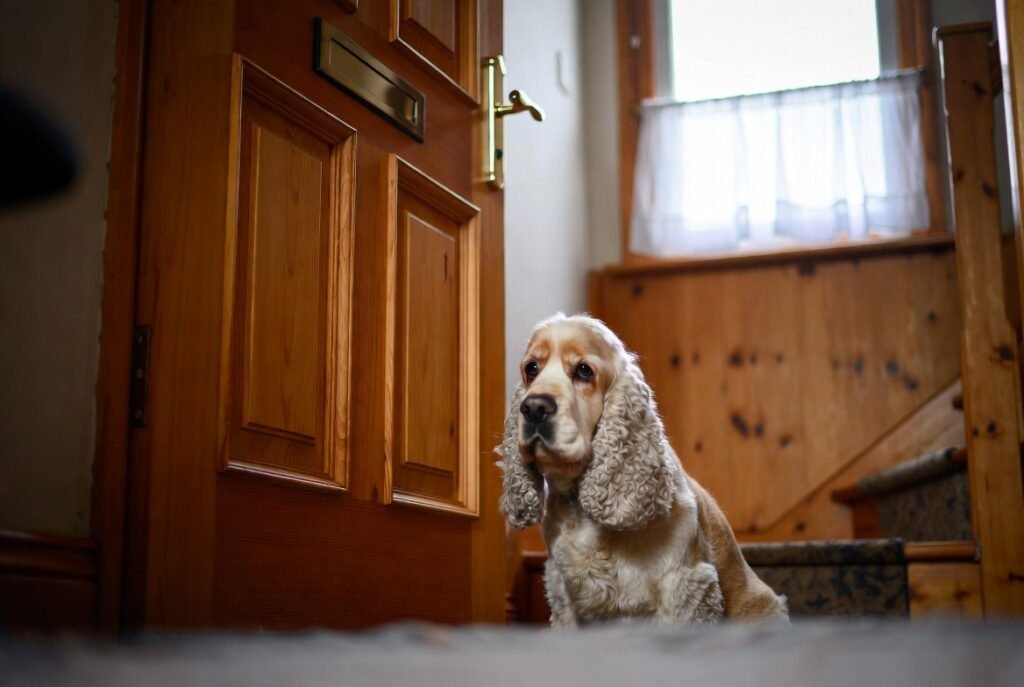
You come home to shredded cushions, scratched doors, and a neighbour complaining about hours of howling. Your heart sinks — not because of the damage, but because you can see the panic in your dog’s eyes. If this sounds painfully familiar, your dog is almost certainly struggling with dog separation anxiety, and you are far from alone.
Studies suggest that around 1 in 4 dogs in the UK shows clear signs of distress when left alone. The good news? Dog separation anxiety is highly treatable when you understand what’s really happening inside your dog’s mind. In this expert guide, you’ll learn the 15 warning signs, the real causes behind the behaviour, and a step-by-step plan to help your dog feel safe, calm, and confident on their own again.
What Is Dog Separation Anxiety?
Dog separation anxiety is a behavioural condition where a dog experiences extreme stress, fear, or panic when separated from their owner or primary caregiver. It is not stubbornness, spite, or “bad behaviour” — it is a genuine emotional disorder rooted in your dog’s natural attachment system.
Dogs are pack animals. Being alone feels deeply unnatural to them, especially when they have bonded strongly with one person. When that bond is suddenly broken, even for an hour, an anxious dog reacts as if abandoned forever. The result is a flood of stress hormones, hyperventilation, panicked behaviours, and sometimes self-injury.
Importantly, dog separation anxiety is different from boredom. A bored dog chews a slipper. An anxious dog destroys a doorframe trying to escape. Knowing the difference is the first step to fixing it.
15 Clear Signs of Dog Separation Anxiety
Symptoms usually appear within the first 15 to 30 minutes after you leave. If your dog shows three or more of the signs below, separation anxiety is very likely the cause.
1. Excessive Barking, Whining or Howling
Non-stop vocalisation the moment you leave is the most reported symptom. Neighbours often hear it before you do. Set up a phone camera or pet camera to confirm. If barking is also an issue when you are home, our guide on how to stop dog barking can help you understand the triggers more deeply.
2. Destructive Chewing Near Exits
Watch where the damage happens. Anxious dogs target doors, doorframes, window sills, and crates because they are trying to escape and find you. Random toy chewing is boredom; targeted destruction is panic.
3. Urinating or Defecating Indoors
A perfectly house-trained dog suddenly toileting indoors only when alone is a classic stress response. This is not a training failure — it is the body releasing under acute fear.
4. Pacing in Repetitive Patterns
Many anxious dogs walk the same line, circle, or figure-eight over and over. It is a self-soothing behaviour driven by adrenaline they cannot burn off.
5. Excessive Drooling or Panting
Coming home to a wet bed or soaked chest fur is a strong indicator. Saliva production spikes when dogs are highly stressed.
6. Trembling or Shaking
Some dogs shake visibly as you put on your shoes or pick up keys. This is anticipatory anxiety — they have learned the cues that predict your departure.
7. Refusing to Eat When Alone
An anxious dog will ignore even premium treats the moment you leave. If their food bowl is untouched until you return, anxiety is almost certain.
8. Velcro Behaviour
Following you from room to room, into the bathroom, and lying on your feet are early warning signs. Hyper-attachment when you are home often predicts severe distress when you leave.
9. Escape Attempts
Broken teeth, bloody paws, and torn nails from clawing doors or fences are extreme symptoms. This level of dog separation anxiety needs professional help urgently.
10. Excessive Greeting Behaviour
A frantic, over-the-top greeting that lasts more than a few minutes — jumping, spinning, crying — shows your dog was in distress for the entire time you were gone.
11. Self-Licking or Lick Granulomas
Obsessive licking of paws or legs until the skin is raw is a compulsive coping mechanism. It often gets worse if untreated.
12. Vomiting or Diarrhoea
Stress-induced gastrointestinal upset is common. If your dog is sick only on days you are out, anxiety is a likely cause.
13. Depression-Like Behaviour
Some dogs do not bark or destroy — they shut down. Lying still, refusing toys, and a “switched-off” stare are quieter but equally serious signs.
14. Reacting to Pre-Departure Cues
If your dog panics the moment you grab your bag or jingle your keys, the anxiety has become deeply conditioned. The body reacts before you have even reached the door.
15. Hiding or Trembling on Return
A few anxious dogs hide rather than greet you, especially if they have toileted indoors. They have learned to associate your return with confusion or punishment.
What Causes Dog Separation Anxiety?
Understanding the root cause is essential because the right treatment depends on it. Dog separation anxiety rarely appears for one reason; it is usually a mix of genetics, history, and environment.
Sudden Change in Routine
Post-lockdown dogs are a textbook example. Months of constant company followed by a sudden return to the office is a huge emotional shock for a dog. Any abrupt schedule change can trigger anxiety.
Rehoming or Loss of a Family Member
Rescue dogs, especially those rehomed multiple times, often expect abandonment. Losing a person or another pet from the household can also trigger acute separation distress.
Lack of Early Socialisation
Puppies who never learned to be alone during their critical socialisation window (8–16 weeks) frequently develop anxiety as adults. They simply have no template for solitude.
Moving Home
A new house removes familiar scents and safe zones. Dogs may panic when left in an unfamiliar environment, even with the same owner.
Traumatic Event While Alone
A fireworks display, thunderstorm, burglar alarm, or even a delivery driver banging on the door while you were out can create a one-trial fear association.
Underlying Medical Issues
Older dogs developing canine cognitive dysfunction, pain, or sensory loss often become clingy and anxious. A vet check should always be your first step. Pain — particularly joint pain — is a hidden trigger; our article on the signs of joint pain in dogs explains what to watch for.
How to Calm a Dog with Separation Anxiety: 7 Proven Steps
Here is the practical, vet-approved framework that thousands of owners have used to help their dogs feel safe alone again. Work through the steps slowly — rushing this process is the number one mistake.
Step 1: Rule Out Medical Causes First
Before any training, book a vet visit. Pain, thyroid issues, and cognitive decline mimic anxiety perfectly. Treating the underlying medical problem can resolve symptoms entirely.
Step 2: Drain Mental and Physical Energy Before You Leave
A tired dog recovers faster from stress. Give a 30-minute walk plus 10 minutes of sniffing or training before departure. Feeding through a puzzle device such as a dog slow feeder bowl or a stuffed Kong adds mental exhaustion, which is more calming than physical exertion alone.
Step 3: Desensitise Departure Cues
Pick up your keys 20 times a day without leaving. Put your coat on, then sit on the sofa. Repeat until your dog ignores these signals. You are breaking the panic chain at the source.
Step 4: Start with Micro-Absences
Begin with 5 seconds outside the door, then 10, then 30. Always return before your dog shows stress. Build duration in tiny increments over weeks. Pushing too fast undoes progress instantly.
Step 5: Create a Safe Zone
A specific bed or pen, used only when you are out, becomes a positive cue rather than a punishment. Add a worn t-shirt that smells of you and a high-value chew. Soft classical music or dog-specific calming playlists reduce heart rate.
Step 6: Use Calming Aids Strategically
Adaptil pheromone diffusers, calming chews containing L-tryptophan, and weighted anxiety jackets all have evidence supporting moderate cases. For severe dog separation anxiety, your vet may prescribe short-term medication while behavioural work happens in parallel.
Step 7: Keep Greetings and Goodbyes Boring
Long, emotional goodbyes spike your dog’s adrenaline before you even leave. Ignore your dog for 5 minutes before departure and 5 minutes after returning. It feels harsh, but it teaches your dog that comings and goings are not big events.
Common Mistakes Owners Make
Even with the best intentions, certain habits make dog separation anxiety dramatically worse. Avoid these traps.
- Punishing destruction or accidents. Your dog cannot connect punishment to behaviour from hours ago. You only add fear of your return.
- Using a crate as a fix. Crating a panicked dog often causes broken teeth and worse anxiety. Crates only help dogs who already love them.
- Getting a “companion” dog. Two anxious dogs are not better than one. The bond is with you, not another animal.
- Skipping the gradual training. Going from 1 minute to 1 hour overnight will collapse weeks of progress.
- Relying only on medication. Medication helps the brain learn, but without behavioural work, the anxiety returns when you stop.
- Comparing to other dogs. Your timeline is yours. Some dogs improve in weeks, others take 6–12 months.
- Walking away when they panic. Returning while your dog is screaming teaches them screaming brings you back. Always return during a calm moment, even if brief.
When to Seek Professional Help
If your dog is self-harming, escaping, or showing zero improvement after 4–6 weeks of consistent work, contact a certified clinical animal behaviourist (ABTC or APBC registered in the UK). Severe dog separation anxiety often needs a combination of behaviour modification and prescription anxiolytics such as fluoxetine or clomipramine. This is not failure — it is responsible care.
Building Long-Term Confidence in Your Dog
The real goal is not just tolerating alone time — it is raising a dog who feels secure no matter what. Daily independence training builds emotional resilience. Practise scatter feeding in another room. Teach a solid “settle” on a mat. Vary your routine slightly so your absence stops being predictable in a scary way.
Pair alone time with positive experiences. Frozen lickmats, snuffle mats, and food puzzles transform “you are gone” into “good things happen”. Over time, your dog’s brain rewires from panic to peaceful anticipation.
Lead walking calmly also strengthens the trust bond between you and your dog. If pulling makes outings stressful, our guide on how to stop your dog from pulling on the leash can help you turn walks into calm, confidence-building sessions.
Frequently Asked Questions About Dog Separation Anxiety
How long does it take to fix dog separation anxiety?
Mild cases often improve in 4–8 weeks with consistent training. Moderate to severe cases typically take 3–6 months, and some dogs need ongoing management for life. Patience and consistency matter more than speed.
Can puppies have separation anxiety?
Yes, and puppyhood is actually the best time to prevent it. Teach short, positive alone-time sessions from day one. Crying for a few minutes is normal adjustment; hours of distress is not.
Do dog cameras help with separation anxiety?
Pet cameras are excellent diagnostic tools — they show you exactly when symptoms start and how long they last. Some two-way models also allow calm verbal reassurance, although for severely anxious dogs, hearing your voice without seeing you can sometimes increase panic.
Does CBD oil help dog separation anxiety?
Some studies show mild calming effects, but research is still limited. Always speak to your vet first, choose veterinary-grade products with no THC, and treat CBD as a supplement, not a cure.
Will getting a second dog cure separation anxiety?
Usually no. Most anxious dogs are bonded specifically to their human, not other dogs. Adding a second dog can even create double the problem. Walking and managing two dogs is also a skill in itself — our guide on walking two dogs at once is worth reading first.
What breeds are most prone to separation anxiety?
Velcro breeds such as Labradors, Cocker Spaniels, German Shepherds, Border Collies, Vizslas, and Toy breeds like Cavaliers and Chihuahuas are statistically more prone. However, any dog of any breed can develop it — temperament and history matter more than genetics alone.
Should I ignore my dog completely when I come home?
Not forever — just for a few minutes. Wait until your dog is calm, then greet warmly. This teaches them that calm behaviour earns attention and that your return is not a high-arousal event.
Final Thoughts: Your Dog Is Not Misbehaving — They Are Asking for Help
Dog separation anxiety can feel overwhelming, but it is one of the most treatable behaviour problems when handled with patience and structure. Every torn cushion is a message, every howl a plea. Your dog is not trying to make your life harder — they are telling you they cannot cope alone yet.
Start with one small step today. Pick up your keys, then sit back down. Walk to the door, then return. Five seconds becomes five minutes. Five minutes becomes five hours. Your calm, consistent presence is the most powerful medicine your dog will ever receive — and the bond you build through this journey will last a lifetime.