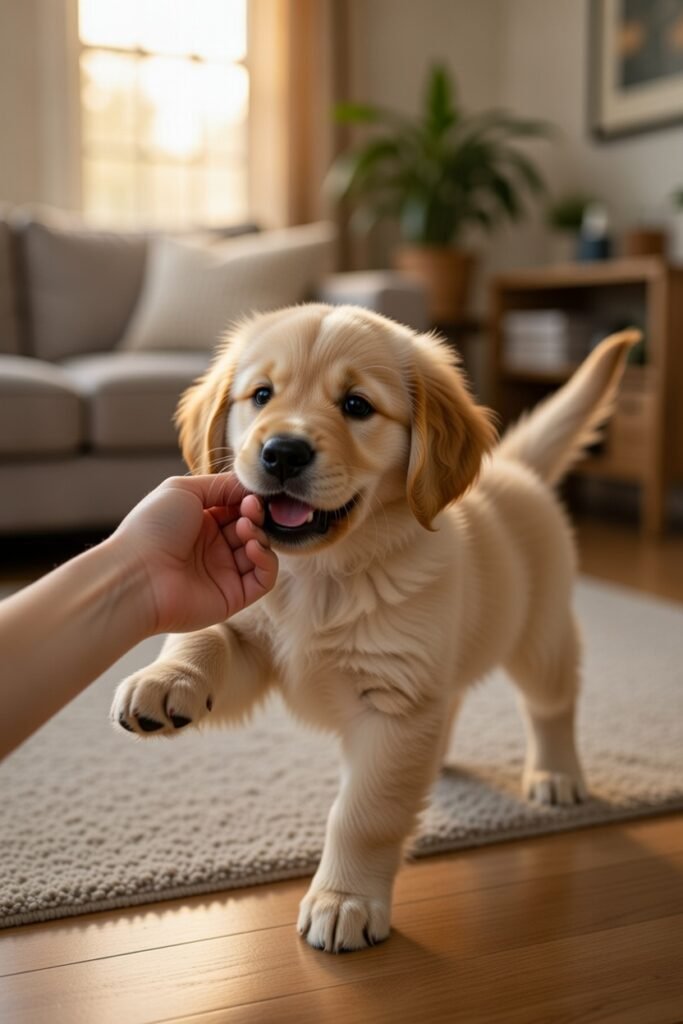
You just brought home the most adorable puppy in the world. Those tiny paws, that soft fur, and those big brown eyes melted your heart the moment you saw them. But then it started. The nipping at your fingers. The chomping on your shoes. The relentless biting that seems to get worse every single day. You find yourself wondering, why does my puppy bite so much, and will it ever stop?
If you are living through this right now, take a deep breath. You are not alone. Puppy biting is one of the most common concerns new dog owners face, and the good news is that it is completely normal. Even better, with the right approach and a little patience, you can teach your puppy to stop biting and develop into a well-mannered companion.
In this guide, we will walk you through everything you need to know about puppy biting. You will learn why puppies bite, when they grow out of it, how to stop it using proven techniques, and what tools can help make the process easier. Whether you have a teething puppy or an overly excited furball, this article has you covered.
Why Does My Puppy Bite Everything in Sight?
Puppy biting is not a sign of aggression. In almost every case, it is a natural part of canine development. Puppies explore the world with their mouths, much like human babies use their hands to touch and grab everything around them.
Here are the most common reasons your puppy bites so much:
Teething Pain and Discomfort
Puppies begin teething around 3 to 4 weeks of age and continue until they are about 6 to 7 months old. During this time, their baby teeth fall out and adult teeth push through the gums. This process is uncomfortable and sometimes painful. Chewing and biting help relieve the pressure on their sore gums. If your puppy seems to chew on everything from furniture legs to your hands, teething is likely the main reason.
Exploration and Curiosity
Dogs do not have hands, so they use their mouths to investigate new objects, textures, and even people. A puppy that bites your sleeve or nibbles on your toes is simply trying to understand its environment. This is especially true during the first few months when everything is new and exciting.
Play Behavior and Socialization
In a litter, puppies constantly play-bite each other. This is how they learn bite inhibition, which is the ability to control the force of their mouth. When a puppy bites a sibling too hard, the other puppy yelps and stops playing. Over time, the biting puppy learns to be gentler. When puppies come home to their new families, they often continue this play-biting behavior because it is all they know.
Overstimulation and Excitement
Puppies have enormous amounts of energy. When they become overly excited during play, walks, or greetings, that energy often comes out through their mouths. You might notice that biting gets worse during active play sessions or when guests arrive at your home. This is your puppy’s way of expressing excitement, not hostility.
Attention Seeking
Puppies are smart. If biting gets them attention, even negative attention like you yelping or pulling away, they quickly learn that biting works. Some puppies develop a habit of nipping specifically because they have discovered it is the fastest way to engage with their owner.
What Age Do Puppies Stop Biting?
Most puppies begin to reduce their biting behavior between 6 and 8 months of age. This coincides with the end of teething, when their adult teeth have fully come in and the gum discomfort fades. However, this does not mean biting magically stops on its own. Without proper training and redirection, some dogs carry nipping habits well into adulthood.
The critical period for teaching bite inhibition is between 8 and 16 weeks of age. This is when puppies are most receptive to learning social boundaries. If you start training early and remain consistent, you will see results much faster. Puppies that receive no correction during this window often develop harder biting habits that take longer to break.
How Do You Discipline a Puppy Who Is Biting?
The word discipline might sound harsh, but when it comes to puppies, effective correction is gentle, consistent, and based on positive reinforcement. Punishment and physical correction almost always make biting worse. Here are the methods professional dog trainers recommend.
The Yelp and Withdraw Method
When your puppy bites you during play, let out a short, high-pitched yelp. This mimics what a sibling puppy would do in a litter. After yelping, immediately stop playing and turn away from your puppy for 10 to 15 seconds. This teaches your puppy that biting ends the fun. Consistency is essential here. Every family member should respond the same way.
Redirect to Appropriate Chew Toys
One of the most effective strategies is to always have a chew toy within reach. When your puppy starts biting your hand, calmly remove your hand and offer a toy instead. This teaches your puppy what is acceptable to chew on. Durable chew toys are especially helpful during the teething phase because they soothe sore gums while keeping your fingers safe.
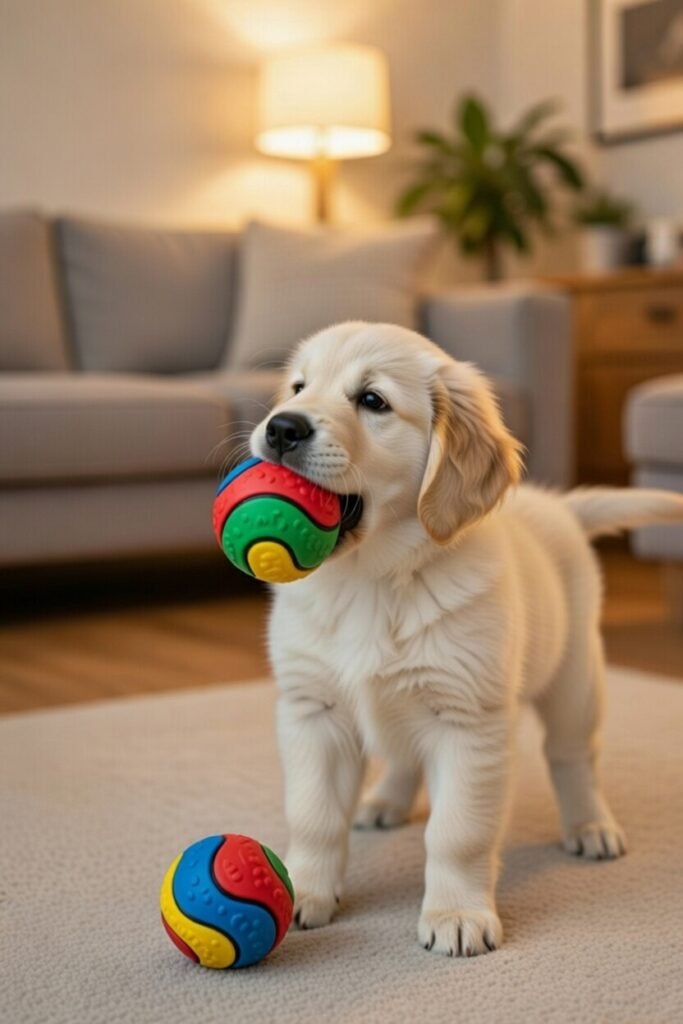
A great option to consider is the Dog Toy Ball for Teeth Cleaning and Durable Chewing. This toy is designed specifically for puppies and dogs who love to bite and chew. Its textured surface helps clean teeth while satisfying your puppy’s natural urge to gnaw. Compared to basic rubber toys that fall apart within days, this durable soccer ball style toy holds up to aggressive chewers and doubles as an outdoor fetch toy.
Use Positive Reinforcement
Reward your puppy every time it chooses a toy over your hand. Use small treats, praise, or a gentle pat to reinforce good behavior. Over time, your puppy will learn that gentle play earns rewards while biting results in the loss of attention and fun.
Enforce Calm Time Outs
If your puppy becomes too wound up and the biting escalates, calmly place it in a puppy-safe area like a crate or playpen for a few minutes. This is not punishment. It is a chance for your puppy to settle down and reset. Many trainers call this a “positive interruption” because it breaks the cycle of overexcitement without creating fear.
Avoid Rough Play with Your Hands
It might seem cute to wrestle with your puppy using your hands, but this encourages them to see your fingers as toys. Instead, always use a toy as a buffer between your hands and your puppy’s mouth. This simple habit prevents confusion about what is and is not acceptable to bite.
What Is a Red Flag Puppy Behavior When It Comes to Biting?
While most puppy biting is completely normal, there are a few warning signs that suggest the behavior may go beyond typical play. If your puppy shows any of the following signs, it is worth consulting a professional trainer or veterinary behaviorist.
- Stiff body posture with a hard, fixed stare before biting
- Growling or snarling that sounds different from playful vocalizations
- Biting that breaks skin repeatedly despite consistent training efforts
- Guarding food, toys, or spaces aggressively with biting
- Biting directed at faces or sensitive areas with apparent intent
These behaviors could indicate fear-based aggression, resource guarding, or early signs of behavioral issues that benefit from professional intervention. Most puppies do not fall into this category, but it is always better to seek help early than to wait until a minor issue becomes a serious problem.
What Are the Hardest Months With a Puppy?
Many experienced dog owners and trainers agree that the period between 4 and 6 months is often the most challenging. This is when teething peaks, adolescent energy surges, and your puppy begins testing boundaries more aggressively. Biting, jumping, chewing on furniture, and selective hearing are all common during this phase.
Think of it as the canine equivalent of the “terrible twos.” Your puppy is not being deliberately difficult. It is going through massive physical and mental changes. The key to surviving this period is patience, consistency, and having the right tools on hand.
Make sure your puppy has access to safe, durable chew toys throughout this stage. The durable chewing dog soccer ball is a popular choice among puppy owners because it serves double duty. It satisfies the chewing instinct at home and provides active outdoor entertainment during energy-burning play sessions. Having a go-to toy that your puppy loves can make a significant difference during these difficult months.
Proven Tips to Stop Puppy Biting: A Step-by-Step Approach
Bringing everything together, here is a practical routine you can start using today to reduce puppy biting.
Step 1: Set expectations early. From day one, establish that human skin is not for biting. Every time your puppy mouths your hand, redirect to a toy and praise the switch.
Step 2: Keep chew toys everywhere. Place durable chew toys in every room where your puppy spends time. Having a toy within reach makes redirection instant and easy.
Step 3: Practice the yelp and withdraw technique. Be consistent. Every bite gets the same response. Yelp, withdraw, and ignore for 15 seconds.
Step 4: Manage energy levels. A tired puppy bites less. Ensure your puppy gets age-appropriate exercise through short walks, gentle play sessions, and mental stimulation like puzzle feeders or training games.
Step 5: Socialize your puppy safely. Puppy socialization classes allow your dog to learn bite inhibition from other puppies in a controlled environment. This is one of the most effective ways to reduce biting long-term.
Step 6: Stay calm and patient. Yelling, hitting, or forcefully holding your puppy’s mouth shut will increase fear and worsen biting behavior. Calm, positive reinforcement always produces the best results.
How Long Does It Take to Train a Puppy to Stop Biting?
With consistent daily training, most puppies show significant improvement within 2 to 4 weeks. Some stubborn chewers may take 6 to 8 weeks before the behavior noticeably decreases. The speed of progress depends on several factors, including breed, individual temperament, the consistency of your training approach, and how much physical and mental exercise your puppy receives.
Breeds known for mouthiness, such as Labrador Retrievers, Golden Retrievers, and German Shepherds, may require more patience during this process. These breeds were historically bred to use their mouths for retrieving, herding, or carrying, so biting behaviors can be more persistent. However, they also tend to respond very well to structured training and positive reinforcement.
Do Puppies Grow Out of Biting on Their Own?
Some puppies do reduce biting naturally as they finish teething and mature. However, waiting and hoping is not a reliable strategy. Without active training, many puppies develop ingrained nipping habits that continue into adulthood. What starts as a playful nibble from a 10-pound puppy becomes a painful bite from an 80-pound adult dog.
Additionally, puppies that never learn bite inhibition miss a critical developmental window. Dogs that understand how to control their mouth pressure are safer around children, other pets, and visitors. Training your puppy now is an investment in a lifetime of safe, enjoyable interactions.
Essential Supplies for Managing Puppy Biting
Having the right supplies makes the training process smoother and more effective. Here are the essentials every puppy owner should have on hand.
- Durable chew toys designed for teething puppies, such as the Dog Toy Ball for Teeth Cleaning and Durable Chewing
- Frozen washcloths or ice cube treats to soothe sore teething gums
- High-value training treats for positive reinforcement sessions
- A puppy-safe crate or playpen for calm time-outs
- Bitter apple spray to discourage chewing on furniture and clothing
Frequently Asked Questions About Puppy Biting
Why does my puppy bite me and no one else?
Puppies often bite their primary caregiver the most because they feel safest and most excited around that person. It is actually a sign of trust and attachment, not aggression. You can reduce this by having all family members participate in training and redirection.
Should I put my puppy in time out for biting?
Yes, but only as a calm, brief break rather than a punishment. A 30-second to 2-minute time out in a crate or playpen helps your puppy settle down without associating negative emotions with you or the training process.
Is it normal for a 6-month-old puppy to still bite?
Absolutely. Six months is still within the teething phase for many breeds. Continued biting at this age is normal, especially if training has been inconsistent. Stay patient and keep reinforcing good behavior with toys and treats.
Can puppy biting be a sign of aggression?
In rare cases, yes. If your puppy bites with a stiff body, shows prolonged growling, or targets specific people with apparent intent, consult a professional dog trainer or veterinary behaviorist. Most puppy biting, however, is purely developmental and playful.
What is the fastest way to stop a puppy from biting?
The fastest results come from combining three techniques. First, redirect every bite to an appropriate chew toy. Second, use the yelp and withdraw method consistently. Third, ensure your puppy gets plenty of physical exercise and mental stimulation throughout the day. Most owners see significant improvement within two to four weeks using this approach.
Do certain dog breeds bite more as puppies?
Yes, breeds bred for retrieving, herding, or guarding tend to be mouthier as puppies. Labrador Retrievers, Golden Retrievers, German Shepherds, Border Collies, and Australian Shepherds are commonly reported as persistent biters during puppyhood. With proper training, all breeds can learn to control their biting.
Final Thoughts on Puppy Biting
Puppy biting can be exhausting, frustrating, and sometimes even painful. But remember, this phase does not last forever. Your puppy is not trying to hurt you. It is simply growing, learning, and figuring out the rules of its new world.
By staying consistent with your training, redirecting biting to appropriate toys, managing your puppy’s energy levels, and using gentle positive reinforcement, you will guide your puppy through this challenging stage. Before you know it, those sharp little teeth will be replaced by a calm, gentle mouth that knows exactly how to play nicely.
Every moment you invest in training today builds the foundation for a loving, well-behaved dog that brings joy to your family for years to come. You have got this, and your puppy is lucky to have an owner who cares enough to learn the right way to help.