
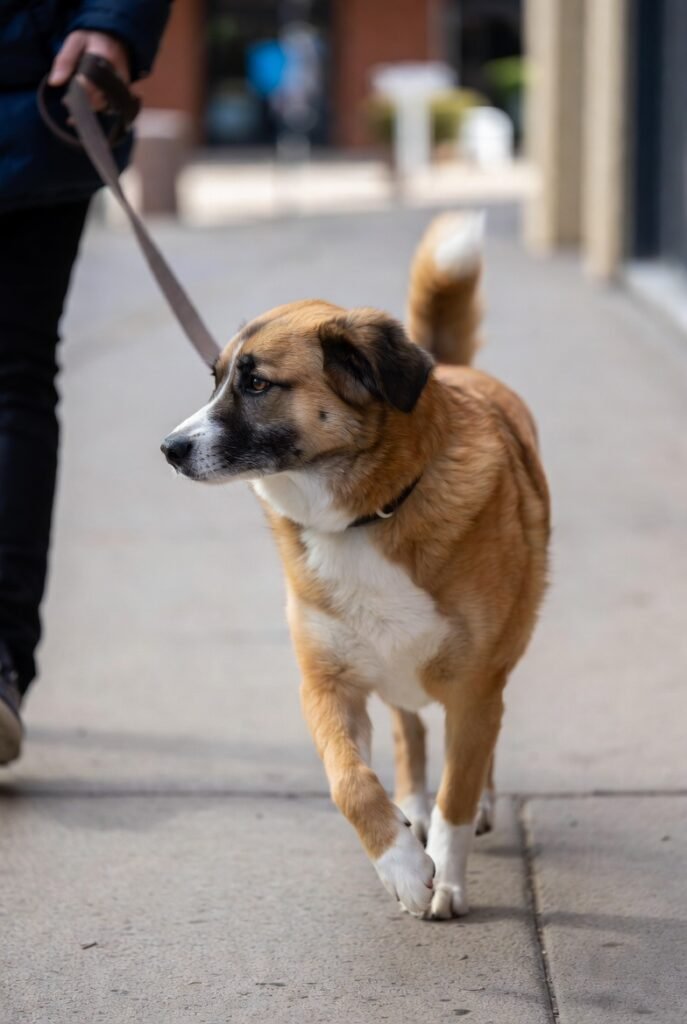
Every dog owner knows the feeling. You clip on the leash, open the front door, and within seconds your arm is stretched to its limit while your dog charges ahead like a sled dog competing in the Iditarod. What should be a peaceful walk together turns into a frustrating tug-of-war that leaves you tired, sore, and dreading the next outing.
If your dog pulls on the leash, you are far from alone. Leash pulling is one of the most common behavioural challenges dog owners face, and it affects dogs of every breed, size, and age. The good news is that with the right approach, the right equipment like a quality no pull dog harness, and a healthy dose of patience, you can teach your dog to walk calmly by your side. This guide covers everything from understanding why dogs pull to practical training techniques and the equipment that makes the biggest difference.
Why Does Your Dog Pull on the Leash?
Before you can fix leash pulling, it helps to understand why it happens in the first place. Dogs do not pull on the leash to be difficult or disobedient. There are real reasons behind the behaviour, and recognising them makes your training far more effective.
Dogs naturally walk faster than humans. Their average walking pace is quicker than ours, so from their perspective, we are the slow ones holding them back. Add in exciting smells, other dogs, squirrels, and the sheer joy of being outdoors, and your dog has every reason to forge ahead.
There is also a principle called opposition reflex. When a dog feels pressure on a collar or harness pulling them backward, their instinct is to push forward against it. This means that the more you pull back, the harder your dog pulls forward. It is a cycle that reinforces itself unless you break it with proper training.
Finally, many dogs learn that pulling works. If they pull toward a tree and you eventually let them get there, they learn that pulling leads to rewards. Over time, this pattern becomes deeply ingrained.
Expert Advice on Leash Training Your Dog
Veterinary behaviourists and certified dog trainers agree that leash training requires consistency above all else. According to the American Kennel Club, choosing the right walking equipment and pairing it with positive reinforcement training produces the best long-term results for dogs that pull (AKC — Choosing the Right Dog Harness).
The foundation of effective leash training rests on a few key principles. First, never reward pulling by allowing your dog to reach what they want while the leash is taut. Second, consistently reward loose leash walking with treats, praise, or forward movement. Third, use equipment that redirects your dog gently rather than causing pain or discomfort.
Professional trainers also emphasise the importance of starting training in low-distraction environments. Practise in your garden or a quiet hallway before expecting results on a busy street filled with distractions. Gradually increase the difficulty as your dog improves, and remember that setbacks are a normal part of the learning process.
7 Practical Tips to Stop Your Dog Pulling on the Leash
Here are proven techniques that professional dog trainers recommend for teaching loose leash walking.
1. Become a tree. When your dog pulls, stop moving completely. Stand still and wait for your dog to turn back toward you or create slack in the leash. The moment the leash loosens, mark the behaviour with a “yes” and continue walking. This teaches your dog that pulling stops forward movement, while a loose leash means the walk continues.
2. Change direction frequently. When your dog starts to pull ahead, turn and walk the opposite direction without warning. Your dog will have to follow you, and over time they learn to pay attention to where you are going rather than charging ahead on their own agenda.
3. Reward the position you want. Carry small, high-value treats and reward your dog frequently when they are walking beside you with a loose leash. The more you reward this position, the more your dog will choose it voluntarily.
4. Use a front-clip no pull dog harness. A front-clip harness redirects your dog toward you when they pull, rather than allowing them to use their full body strength to drag you forward. This is one of the most effective equipment changes you can make and is recommended by veterinarians and trainers worldwide.
5. Start with short training walks. Dedicate specific short walks (10 to 15 minutes) purely to leash training. These are separate from exercise walks where you might be more lenient. Keeping training sessions short prevents both you and your dog from becoming frustrated.
6. Tire them out first. A dog bursting with energy will struggle with impulse control. Playing fetch or doing some training exercises before a walk can take the edge off and make loose leash walking easier to achieve.
7. Be patient and consistent. Every family member who walks the dog must follow the same rules. If one person allows pulling while another does not, the dog receives mixed signals and progress stalls.
How a No Pull Dog Harness Makes Training Easier
While training techniques are essential, the right equipment can dramatically speed up your progress. Traditional flat collars concentrate all pressure on a dog’s throat, which can cause neck strain, tracheal damage, and increased pulling through the opposition reflex. A well-designed no pull dog harness distributes pressure across the chest and shoulders, giving you better control without causing your dog discomfort.
The Truelove Pet Reflective Nylon Dog Harness is a practical option that addresses the most common complaints dog owners have with standard harnesses. It features a no-pull front clip design that gently redirects your dog when they forge ahead, adjustable straps for a secure and comfortable fit, and reflective nylon stitching that improves visibility during early morning or evening walks. It is available in multiple sizes suitable for medium to large dogs, making it versatile enough for breeds ranging from Labradors to German Shepherds.
What sets a quality no pull harness apart from cheaper alternatives is the fit. A harness that shifts around, pinches, or restricts movement will make your dog uncomfortable and resistant to wearing it. Look for padded chest panels, multiple adjustment points, and durable hardware that will not rust or break under strain.
When a No Pull Dog Harness Helps Most
A no pull dog harness is not a magic fix, but there are specific situations where it becomes an invaluable training tool.
It helps most when you are just starting leash training with a strong puller and need immediate control while you work on behaviour modification. It is also essential for owners with physical limitations such as joint pain, arthritis, or reduced grip strength, where a powerful pulling dog could cause injury. Families with children who walk the dog benefit greatly from the added control and safety a front-clip harness provides.
The Truelove Reflective Harness also proves its worth during evening or winter walks when visibility drops. The reflective stitching across the harness catches headlights and street lights, keeping your dog visible to drivers and cyclists. For owners who walk in both urban and rural settings, this dual-purpose functionality of control and visibility makes it a sensible everyday choice.
If you walk more than one dog, managing pulling becomes even more critical. You might find our guide on how to walk two dogs at once helpful for additional tips on multi-dog walking.
Common Mistakes Dog Owners Make When Leash Training
Understanding what not to do is just as important as knowing the right techniques. Many well-meaning dog owners accidentally make leash pulling worse through these common errors.
Using a retractable leash during training sends inconsistent signals to your dog. The constant tension from the retraction mechanism teaches your dog that pressure on the leash is normal, which undermines loose leash training. Stick to a standard fixed-length leash of around 1.5 to 2 metres during training sessions.
Yanking or jerking the leash to correct pulling is another mistake that often backfires. Leash corrections can cause pain, fear, and anxiety, which damages the trust between you and your dog and often makes pulling worse over time. Positive reinforcement methods produce better results and strengthen your bond.
Inconsistency is perhaps the biggest training killer. If you allow pulling sometimes because you are in a hurry or too tired to train, your dog learns that pulling works at least some of the time. In behavioural science, intermittent reinforcement creates the strongest habits, so occasional success from pulling actually makes the behaviour harder to eliminate.
Finally, expecting results too quickly leads many owners to give up prematurely. Depending on how long your dog has been pulling, it may take weeks or even months of consistent training to see lasting change. Celebrate small improvements and trust the process.
Choosing the Right Walking Equipment for Your Dog
Selecting the right walking gear is a decision that affects both your comfort and your dog’s wellbeing. Here is what to consider when choosing between the main options.
Flat collars are suitable for dogs that already walk well on a loose leash and are properly identification-tagged, but they are not ideal for dogs that pull. Head halters provide strong control by guiding the dog’s head, though some dogs find them aversive and require a gradual introduction period. Back-clip harnesses are comfortable for dogs but offer little pulling deterrent, as they actually allow dogs to pull with their full chest strength, similar to a sled dog harness.
Front-clip no pull harnesses like the Truelove Reflective Harness strike the best balance for most dog owners working on leash manners. They provide gentle redirection without pain, distribute pressure safely across the chest, and give you enough control to manage a strong dog while training progresses.
When fitting any harness, you should be able to slide two fingers comfortably between the harness and your dog’s body at any point. Straps should be snug but not tight, and you should check that no edges rub against your dog’s armpits or the front of their shoulders during movement.
Frequently Asked Questions
How long does it take to train a dog to stop pulling on the leash?
Most dogs show noticeable improvement within two to four weeks of consistent daily training. However, dogs that have pulled for years may take longer to unlearn the habit. The key factors are consistency, using the right equipment such as a no pull dog harness, and practising positive reinforcement during every single walk. Puppies and younger dogs tend to respond more quickly than older dogs with deeply ingrained habits.
Is a no pull dog harness safe for my dog?
Yes, a properly fitted no pull dog harness is one of the safest walking options available. Unlike flat collars that put pressure on the trachea and neck, a harness distributes force across the chest and shoulders. This is especially important for brachycephalic breeds (short-nosed dogs like Bulldogs and Pugs) and small breeds prone to tracheal collapse. Always ensure the harness fits correctly and does not restrict your dog’s natural gait.
Can I use a no pull harness on a puppy?
Absolutely. In fact, starting with a no pull harness from puppyhood can prevent pulling habits from forming in the first place. Choose a harness with adjustable straps that can grow with your puppy, and combine it with positive reinforcement training from the earliest walks. Puppies have shorter attention spans, so keep training sessions brief and upbeat.
Why does my dog only pull at the beginning of walks?
This is extremely common and usually happens because your dog is at peak excitement when they first step outside. All the pent-up energy and anticipation from waiting inside comes flooding out in those first few minutes. Try doing a brief calming exercise before heading out, such as asking your dog to sit and wait before you open the door. You can also spend a few minutes playing in the garden before starting the walk to burn off initial excitement.
Should I stop using a no pull harness once my dog is trained?
Many owners transition to a flat collar or back-clip harness once their dog consistently walks on a loose leash. However, there is no harm in continuing to use a no pull harness permanently. Some owners prefer the added safety, especially in unpredictable situations like encountering off-leash dogs or walking near busy roads. The choice ultimately depends on your comfort level and your dog’s reliability in different environments.
Take the First Step Toward Better Walks
Walking your dog should be one of the most enjoyable parts of your day, not a stressful ordeal that you dread. With the right training techniques, realistic expectations, and supportive equipment like a quality no pull dog harness, you can transform chaotic walks into calm, connected outings that both you and your dog look forward to.
Start with short training sessions, reward every moment of loose leash walking, and give your dog the time they need to learn. Progress may feel slow at first, but every walk where you stay consistent brings you closer to the comfortable, enjoyable walks you both deserve. Your dog is not trying to be difficult. They just need you to show them what you expect, and then make it worth their while to do it.