
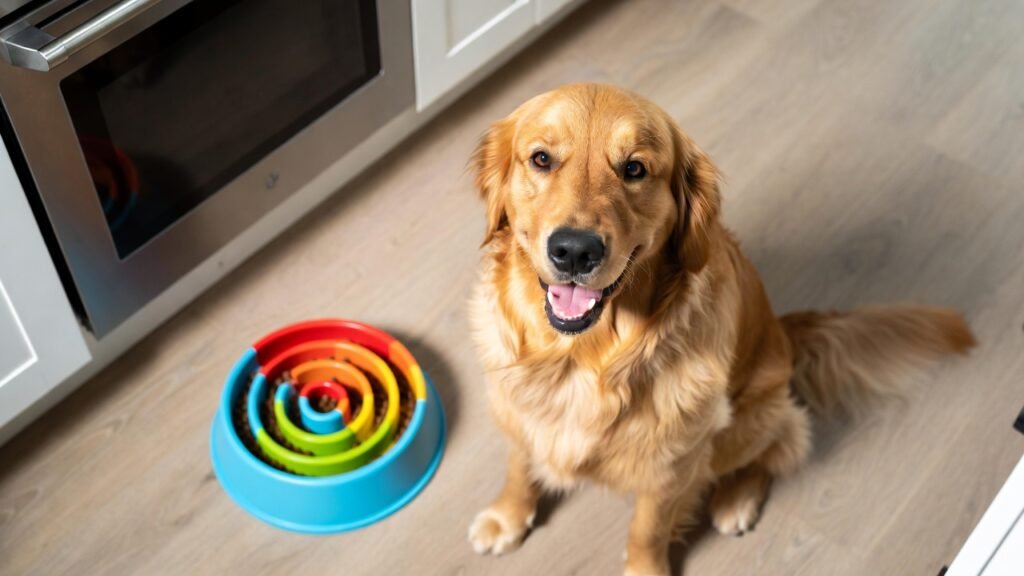
If your dog inhales food like every meal is a race, you are not alone. Fast eating is one of the most common feeding problems among dogs of all breeds and sizes. Fortunately, a dog slow feeder bowl offers a simple yet highly effective solution. These cleverly designed bowls use raised ridges, mazes, and patterns to slow down your dog’s eating pace, promoting better digestion and reducing the risk of serious health conditions like bloat. In this complete guide, we will walk you through everything you need to know about slow feeder bowls for dogs, including how they work, their health benefits, and how to choose the perfect one for your furry companion.
What Is a Dog Slow Feeder Bowl?
A dog slow feeder bowl is a specially designed feeding dish that features built-in obstacles such as ridges, channels, and maze-like patterns on the interior surface. Unlike a traditional flat-bottom bowl, a slow feeder forces your dog to work around these obstacles to access their food. This simple design change can increase feeding time from under a minute to ten minutes or more, encouraging your pet to eat at a healthier and more natural pace.
Slow feeder dog bowls come in a wide variety of shapes, sizes, and materials. You can find options made from food-safe silicone, BPA-free plastic, stainless steel, and even ceramic. Some designs resemble puzzle feeders, while others have gentle spiral patterns that are better suited for beginners or senior dogs. No matter your dog’s size or experience level, there is a slow feeder bowl that fits their needs perfectly.
Why Do Dogs Eat Too Fast?
Before diving deeper into the benefits of slow feeder bowls, it helps to understand why dogs gulp their food so quickly in the first place. Several factors contribute to fast eating in dogs, and recognizing these causes can help you choose the right approach for your pet.
Competition is one of the most common reasons. Dogs that grew up in multi-pet households or shelter environments often develop a habit of eating quickly to protect their food from others. Even after being adopted into a single-pet home, this behavior can persist for years. Additionally, some breeds are naturally more food-motivated than others. Labrador Retrievers, Beagles, Golden Retrievers, and Pugs are well known for their enthusiastic eating habits. Irregular feeding schedules can also lead to speed eating because dogs feel uncertain about when their next meal will arrive. Finally, boredom and a lack of mental stimulation during mealtimes can cause a dog to rush through food simply because there is nothing else to engage with.
Health Benefits of Using a Slow Feeder Bowl for Dogs
Investing in a slow feeder bowl is about much more than just slowing down mealtime. The health benefits are significant and well-documented by veterinary professionals. Here are the key advantages that make these bowls a must-have for every dog owner.
Reduces the Risk of Bloat (GDV)
Gastric dilatation-volvulus, commonly known as bloat, is a life-threatening condition that occurs when a dog’s stomach fills with gas and potentially twists on itself. Eating too quickly is one of the primary risk factors for bloat, especially in large and deep-chested breeds like Great Danes, German Shepherds, and Standard Poodles. A slow feeder bowl significantly reduces the amount of air your dog swallows during meals, which in turn lowers the risk of this dangerous condition. According to the American Kennel Club, slowing down a dog’s eating speed is one of the recommended preventive measures against bloat.
Improves Digestion and Nutrient Absorption
When dogs eat too fast, they often swallow large pieces of food without properly chewing them. This puts extra strain on the digestive system and can lead to vomiting, gagging, and discomfort shortly after meals. By forcing your dog to take smaller bites and chew more thoroughly, a slow feeder bowl helps the digestive process begin properly in the mouth. As a result, your dog absorbs more nutrients from their food and experiences less stomach upset, gas, and irregular bowel movements.
Supports Healthy Weight Management
Obesity is a growing concern among pet dogs, with veterinary studies suggesting that over half of dogs in developed countries are overweight or obese. Eating too quickly prevents the brain from receiving fullness signals in time, which often leads to overeating. A slow feeder bowl naturally extends mealtime, giving your dog’s brain the chance to register satiety before they consume more than they need. Over time, this can contribute to healthier portion control and a more balanced weight without the need for drastic dietary changes.
Provides Mental Stimulation
A slow feeder bowl turns an ordinary meal into a rewarding mental challenge. Your dog has to think, problem-solve, and use their tongue and nose to navigate the bowl’s obstacles. This kind of enrichment is especially beneficial for high-energy breeds and dogs that are prone to boredom or anxiety. Think of it as a daily puzzle that keeps your dog engaged and satisfied. Many dog behaviorists recommend slow feeders as part of a comprehensive enrichment plan, right alongside interactive toys and training exercises. If you are looking for more ways to keep your pup mentally sharp, check out our collection of dog products available at Cuteness of Dogs.
How to Choose the Best Dog Slow Feeder Bowl
With so many slow feeder bowls on the market, choosing the right one can feel overwhelming. However, keeping a few important factors in mind will help you make the best decision for your dog.
First, consider your dog’s size and breed. Small dogs and puppies do best with shallow bowls that have gentle, widely spaced ridges. Medium and large breeds may benefit from deeper bowls with more complex maze patterns that provide a greater challenge. For flat-faced breeds like Bulldogs and Pugs, look for bowls with wider channels that accommodate their shorter snouts comfortably.
Material matters as well. Stainless steel slow feeders are durable and easy to sanitize, making them a great long-term investment. Silicone bowls are lightweight and often dishwasher-safe, which is ideal for pet parents who value convenience. Plastic options are typically the most affordable, but be sure to choose BPA-free products to keep your dog safe from harmful chemicals. Ceramic slow feeders look stylish and are heavy enough to prevent sliding, though they may crack if dropped.
Non-slip bases are another essential feature to look for. Dogs can get frustrated when their bowl slides across the floor during mealtime, which defeats the purpose of slowing down their eating. A rubberized base or suction cup design keeps the bowl firmly in place, even for the most enthusiastic eaters. Finally, make sure the bowl you choose is easy to clean. Intricate designs may look impressive, but they can trap food particles if they are not dishwasher-safe or easy to scrub by hand.
Tips for Introducing a Slow Feeder Bowl to Your Dog
Switching to a slow feeder bowl is usually a smooth transition, but a little patience goes a long way. Some dogs take to the new bowl immediately, while others may need a few days to adjust. Here are some helpful tips to make the introduction as stress-free as possible.
Start by placing a small amount of your dog’s favorite food or treats in the slow feeder bowl alongside their regular bowl. This allows your dog to explore the new bowl at their own pace without the pressure of it being their only food source. Once they seem comfortable, gradually increase the amount of food in the slow feeder while reducing the amount in the standard bowl. Within a few days, most dogs will happily eat all of their meals from the slow feeder.
If your dog seems frustrated or anxious, try a simpler design with fewer obstacles and work your way up to more challenging patterns as they gain confidence. You can also add a small amount of wet food, peanut butter, or bone broth to make the bowl more enticing. Remember, the goal is to make mealtime enjoyable, not stressful. Be patient, offer praise, and let your dog learn at their own pace.
Slow Feeder Bowl vs. Puzzle Feeder: What Is the Difference?
You may have come across both slow feeder bowls and puzzle feeders during your research, and while they share some similarities, they serve slightly different purposes. A slow feeder bowl is designed primarily as a feeding dish that slows down eating speed. It replaces your dog’s regular bowl and is used at every meal. The patterns and ridges are fixed, and the primary goal is to promote healthier eating habits through consistent daily use.
A puzzle feeder, on the other hand, is more of an enrichment toy. Puzzle feeders often involve sliding compartments, flip lids, or hidden treat chambers that require your dog to perform specific actions to access the food. They are excellent for mental stimulation and are typically used for treats, snacks, or supplemental feeding rather than full meals. Many pet parents find that using both a slow feeder bowl for regular meals and a puzzle feeder for treats provides the best combination of health benefits and mental enrichment. For more enrichment ideas, take a look at our dog products and accessories page for inspiration.
Give Your Dog the Gift of Healthier Mealtimes
A dog slow feeder bowl is one of the simplest and most impactful investments you can make for your pet’s health and happiness. From reducing the risk of bloat and improving digestion to supporting weight management and providing daily mental stimulation, the benefits are clear. Whether you have a speedy-eating Labrador puppy or a senior dog that needs gentler feeding support, there is a slow feeder bowl designed just for them.
At Cuteness of Dogs, we are passionate about helping you find the very best products for your four-legged family member. Ready to make the switch? Browse our curated collection of dog feeding accessories and slow feeder bowls today and give your pup the healthier, happier mealtimes they deserve. Your dog’s well-being starts with one simple change, and it starts right here.